
Vice President of ECOPs - Dr. Jacquelyn Veatch
Indicate one or two key goals that you hope to accomplish in this position over the next 3 years: My second goal would be to expand the reach of successful ECOP programming across the broader MTS community. Many ECOP events have traditionally been centered around the OCEANS conferences, and I would like to explore opportunities to bring these activities to other MTS conferences, workshops, and events. At the same time, I would continue supporting successful initiatives that already attract strong participation, such as the Career Accelerator webinar series. Together, these efforts would make ECOP programming more accessible throughout the year and across a wider range of MTS communities, while creating more opportunities for early-career professionals to build networks, develop skills, and establish lasting connections within the Society. Discuss the qualities and experience you possess that make you a strong candidate for the position for which you are running: I have demonstrated a sustained commitment to supporting early-career scientists through leadership, mentorship, education, and community building. I served on the planning team for the Polar Early Career World Summit, helping synthesize the priorities of hundreds of early-career polar scientists to inform the next International Polar Year. I also organized the three-day Programming in Earth Science Classrooms Educational Workshop (PECES), which prepared early-career scientists to confidently incorporate programming into Earth science curricula through collaborative and interactive sessions. These experiences, along with mentoring undergraduate researchers and leading student organizations, have strengthened my skills in project management, collaboration, and community building. Within MTS, I have progressed from student member and EMERGE Laureate to Scholarship Committee Chair, while contributing to ECOP events, student competitions, career networking activities, and marine technology education. Most importantly, I have a strong desire to give back to an organization that has provided me with community and support throughout multiple stages of my career. To this role, I would bring enthusiasm, curiosity, a willingness to learn, and a commitment to ensuring that early-career ocean professionals have meaningful opportunities to connect, contribute, and thrive within MTS. |
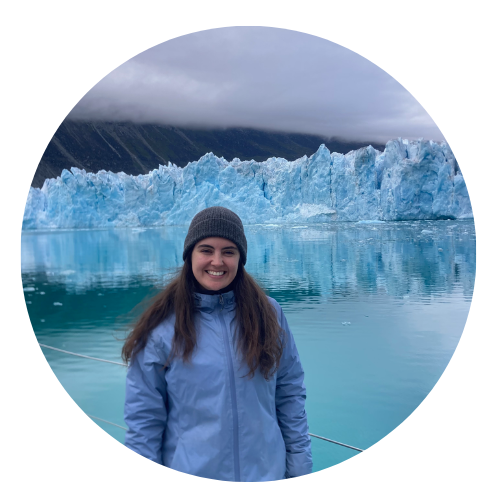 Dr. Jacquelyn (Jackie) Veatch
Upcoming Events
Wed Oct 21, 2026Dialogues with Industry – Accelerating Ocean Enterprise Growth in Future Key Markets: Carbon & Biodiversity Credit Markets (Dialogue 2) Category: Ocean Enterprise Initiative |
Fri Oct 30, 2026MTS Career Accelerator Webinar | Beyond the LinkedIn Connection Category: Virtual Event |
Fri Nov 6, 2026MTS New Jersey Student Section 4th Annual Research Symposium Category: In-Person Event |
Our Sponsors